Choosing a Pool Robot ODM Factory: In-House Mechanical and Electronics R&D Is a Must
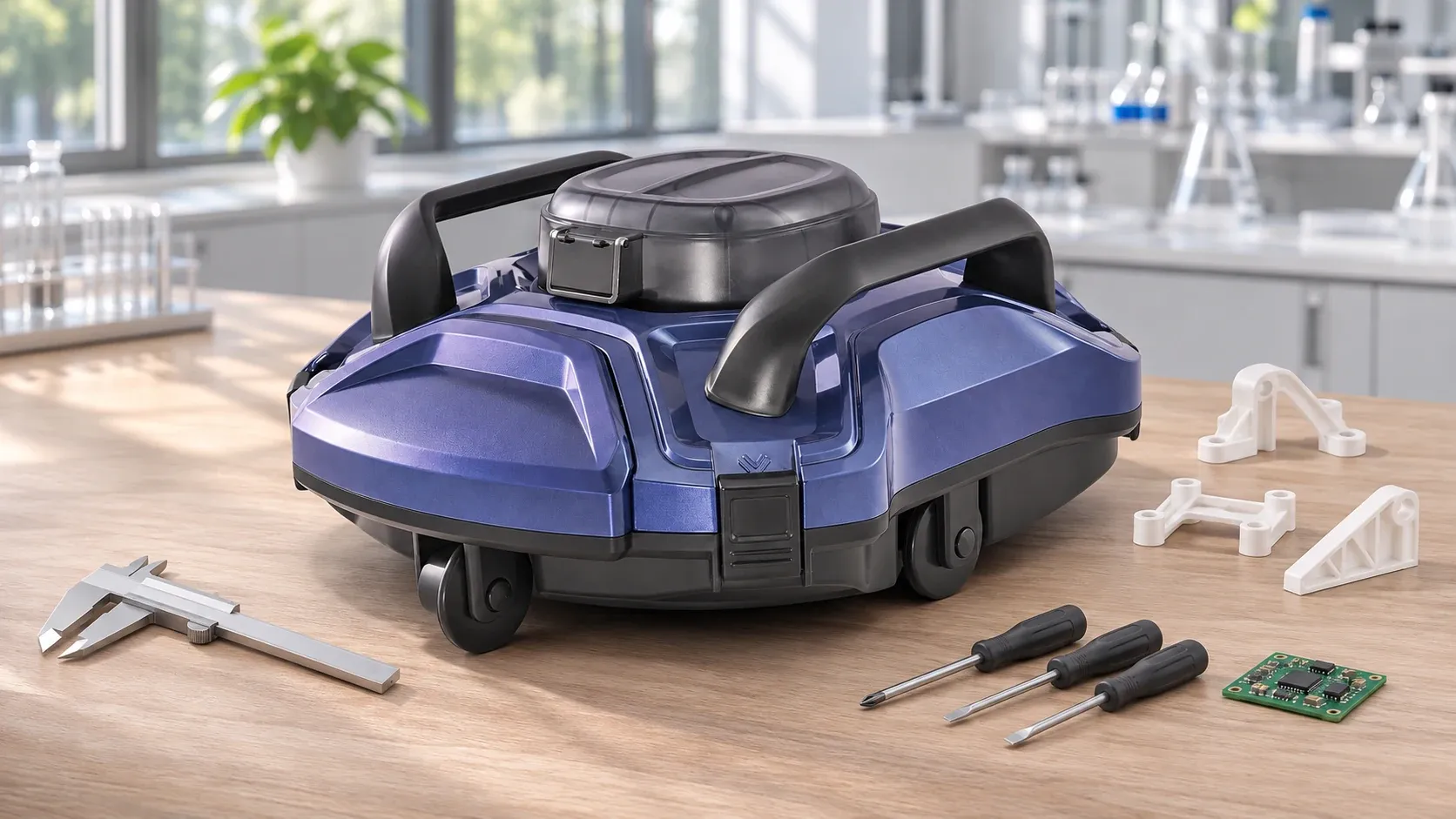
When choosing a pool cleaning robot ODM factory, look at three things first: whether mechanical and electronics R&D are handled by the factory's own team, whether patent and development deliverable ownership can be clearly defined, and whether samples can be turned into stable mass production on their own test pools and assembly lines. Once these three check out, then talk about pricing and lead times.
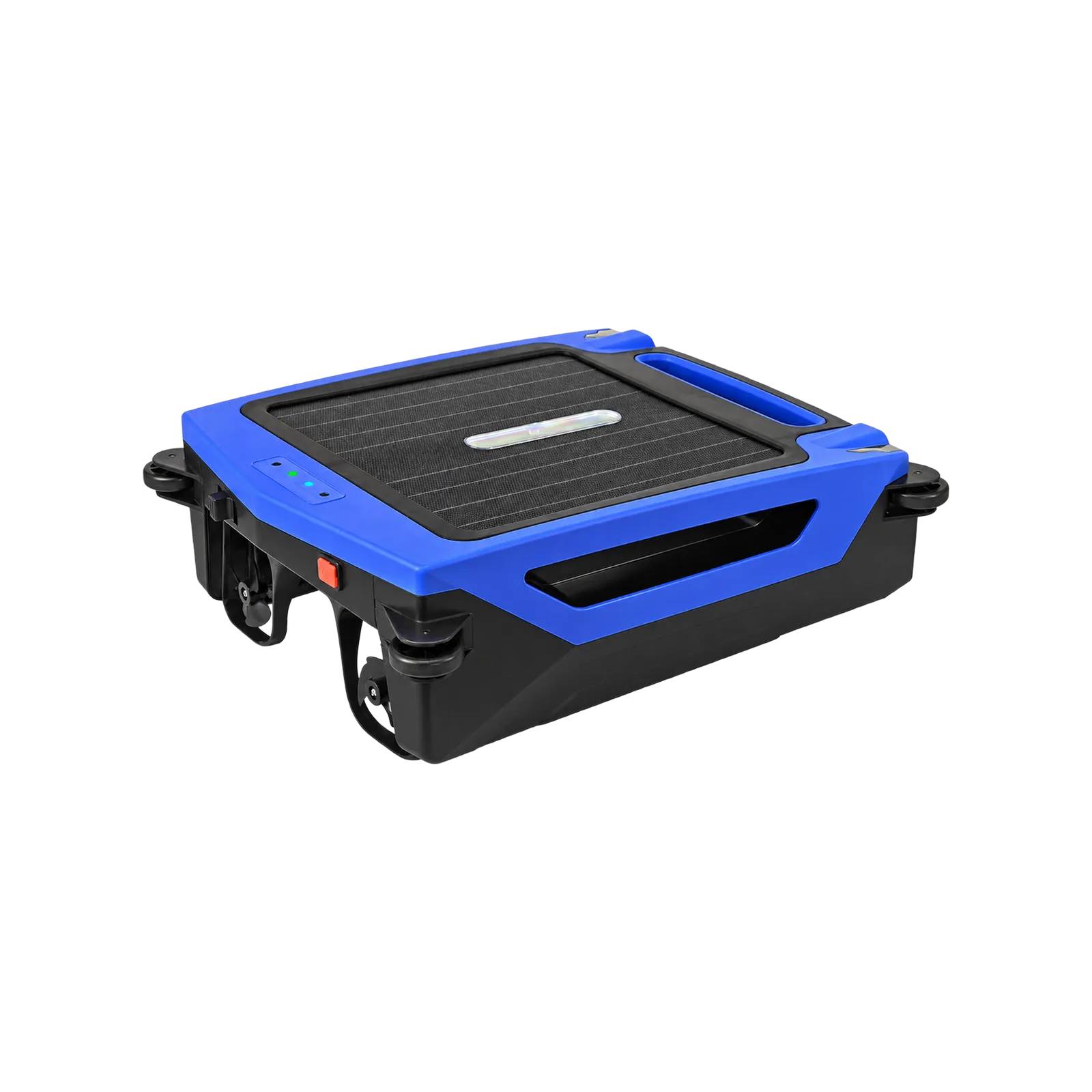
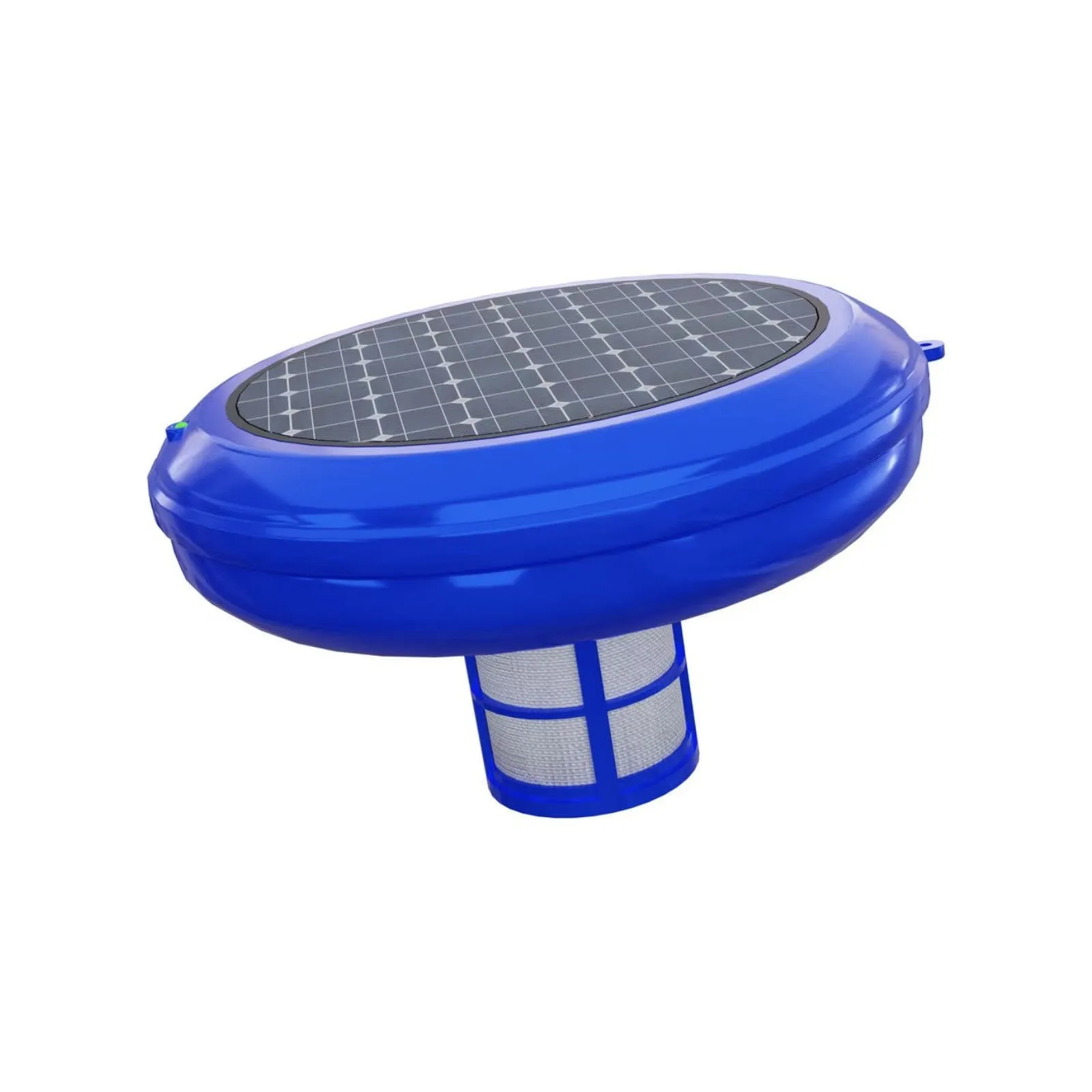
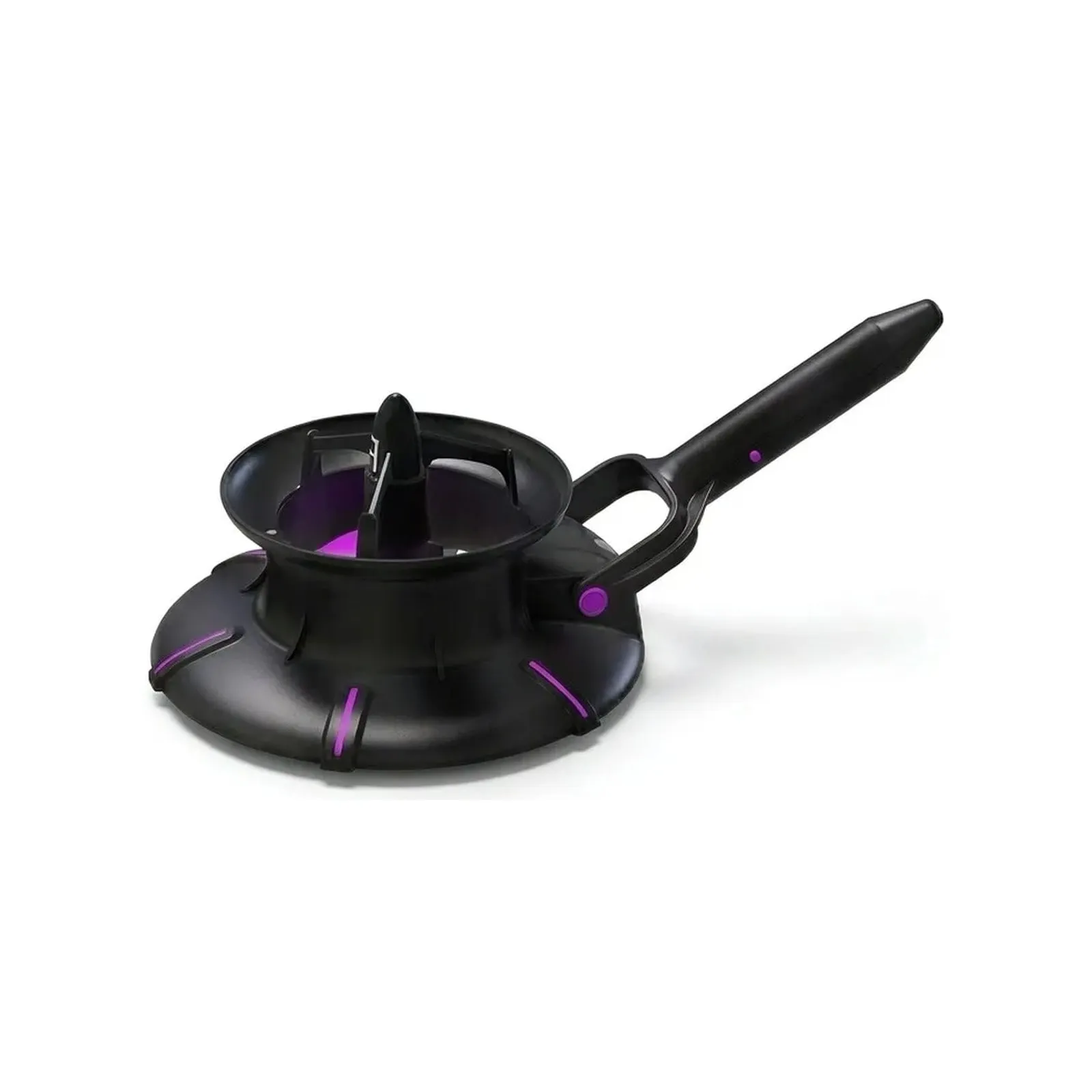
Taizhou DiBiao Technology Co., Ltd. (product brand: Deep Cleaner), based in Huangyan, Taizhou, develops and manufactures pool cleaning robots. Here it serves as a reference: a 12-person R&D team handles product architecture, mechanical design, and electronics in-house; the company holds proprietary technologies and patents; and its R&D and assembly facility currently covers over 8,000 square meters.
Why Ask Whether R&D Is Done In-House First?
White-labeling uses the factory's existing machine—change the color, add a logo, and it's ready to sell. ODM requires redesigning the structure, modifying circuits and firmware to match the brand owner's appearance, features, and target price. A factory that pieces together its R&D from several outside vendors has to coordinate with multiple parties every time something changes, and the schedule is out of its hands.
Most costs are also locked in at the R&D stage. Once the design is finalized, shaving even a few dollars off component costs becomes very difficult. Whether a factory can balance features and price at the proposal stage depends on whether it has its own R&D team.
Mechanical Design: You Hand Over the Appearance—Who Turns It into a Toolable Structure?
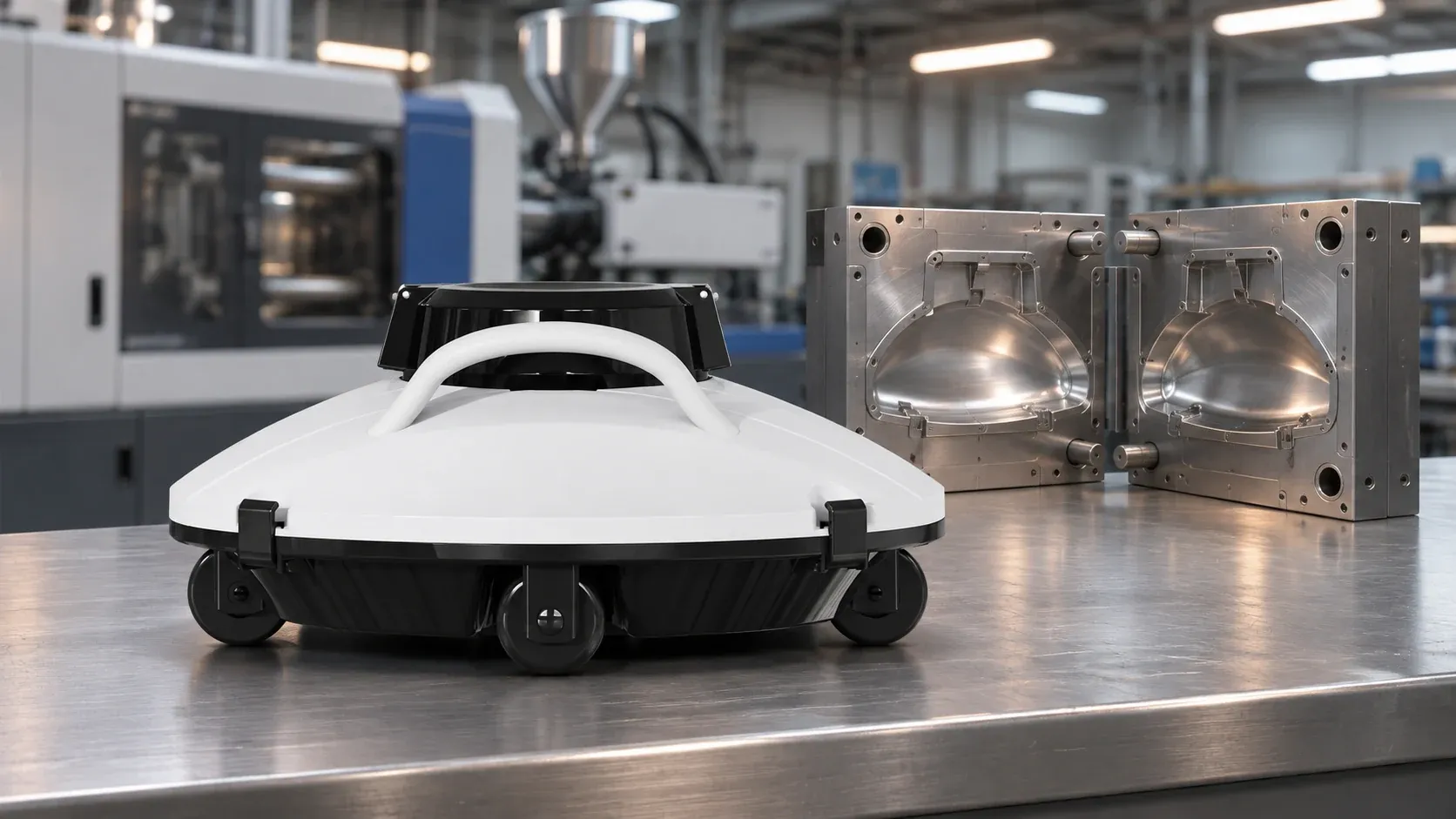
Brand owners typically have an industrial design, target performance specs, and a target procurement price. The factory must break the appearance down into housing, seals, filter compartment, and battery compartment, and set proper assembly tolerances. If tolerances are not well defined, motor performance and yield rate will both suffer—no matter how good the sample looks, stable mass production will be hard to achieve.
During a factory visit, ask an engineer to walk through a model currently in production: why the parts are split this way, how many revisions there have been, and what prompted each change. If they can explain the full history, the mechanical design is most likely done in-house. If they can only show you finished drawings, ask who drew them.
Here is how DiBiao Tech divides the work: the client provides the appearance; its R&D department delivers the structural and technical solution; procurement participates in cost calculations simultaneously. The BOM cost list can be shared with partner clients, and whenever the configuration changes, the BOM and production-line work instructions are updated accordingly.
When features and target price don't align, the team adjusts the configuration before the design is finalized, then verifies that the machine still functions properly. This approach suits brand owners and e-commerce sellers who want to differentiate on appearance or features and lock in cost-performance trade-offs during the R&D phase.
Electronics: It Only Counts When You Get Down to Motors and Control Logic
The electronics in a pool robot go beyond a single control board. Propulsion motors, travel control, full-load and low-battery detection, and wall sensing determine how long the machine runs in the pool and whether it gets stuck. If the entire electronics package is outsourced, any improvement in runtime or functionality has to wait for the solution provider to make changes.
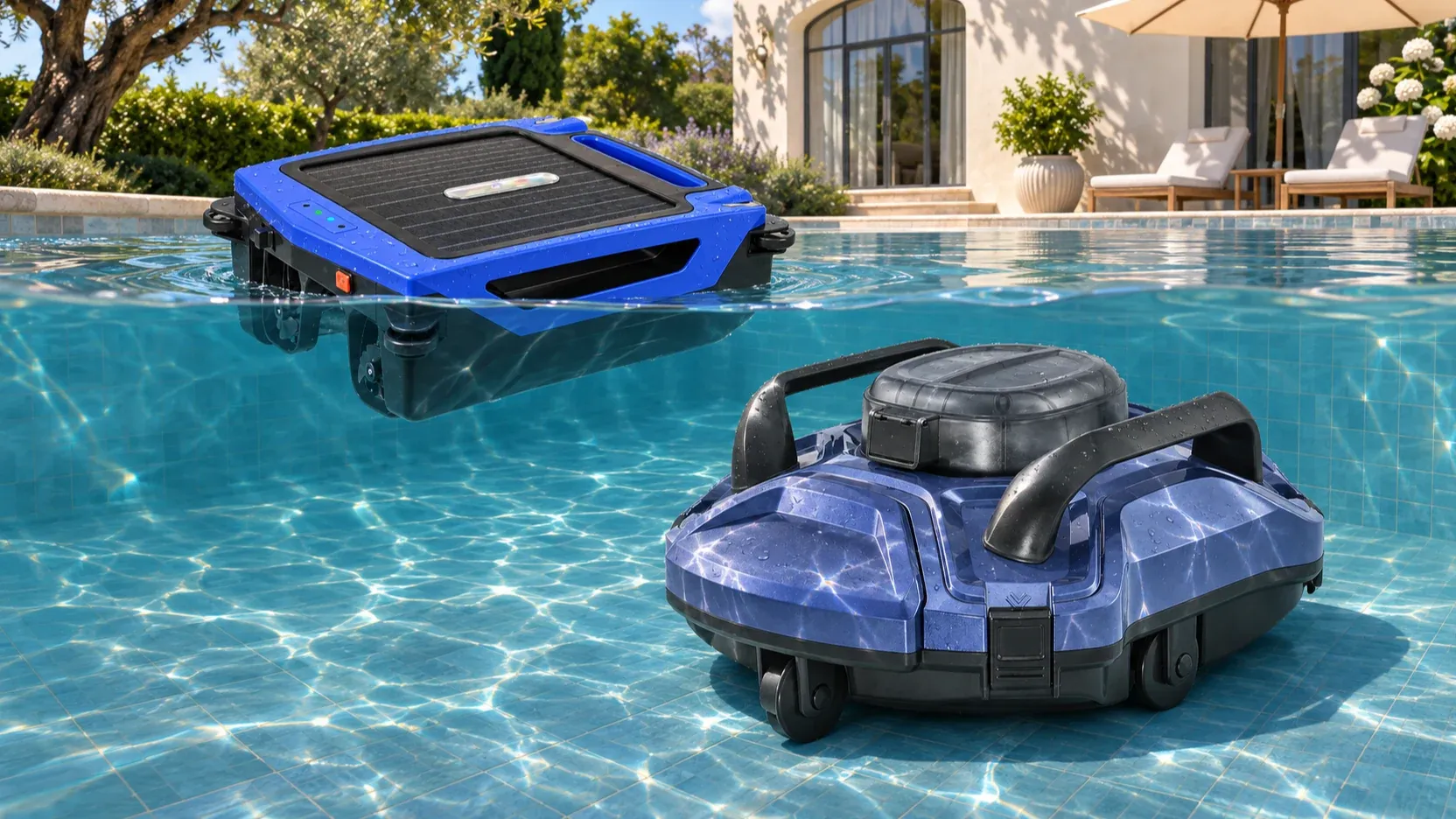
DiBiao Tech's motors, for example, are developed in-house. The team tried several off-the-shelf motors; some lacked the lifespan and stability they needed, while the stable ones were too expensive—so they developed their own. They once ran their surface-cleaning robot through a 3,000-hour aging test in a pool; after the test, the machine was still operating normally.
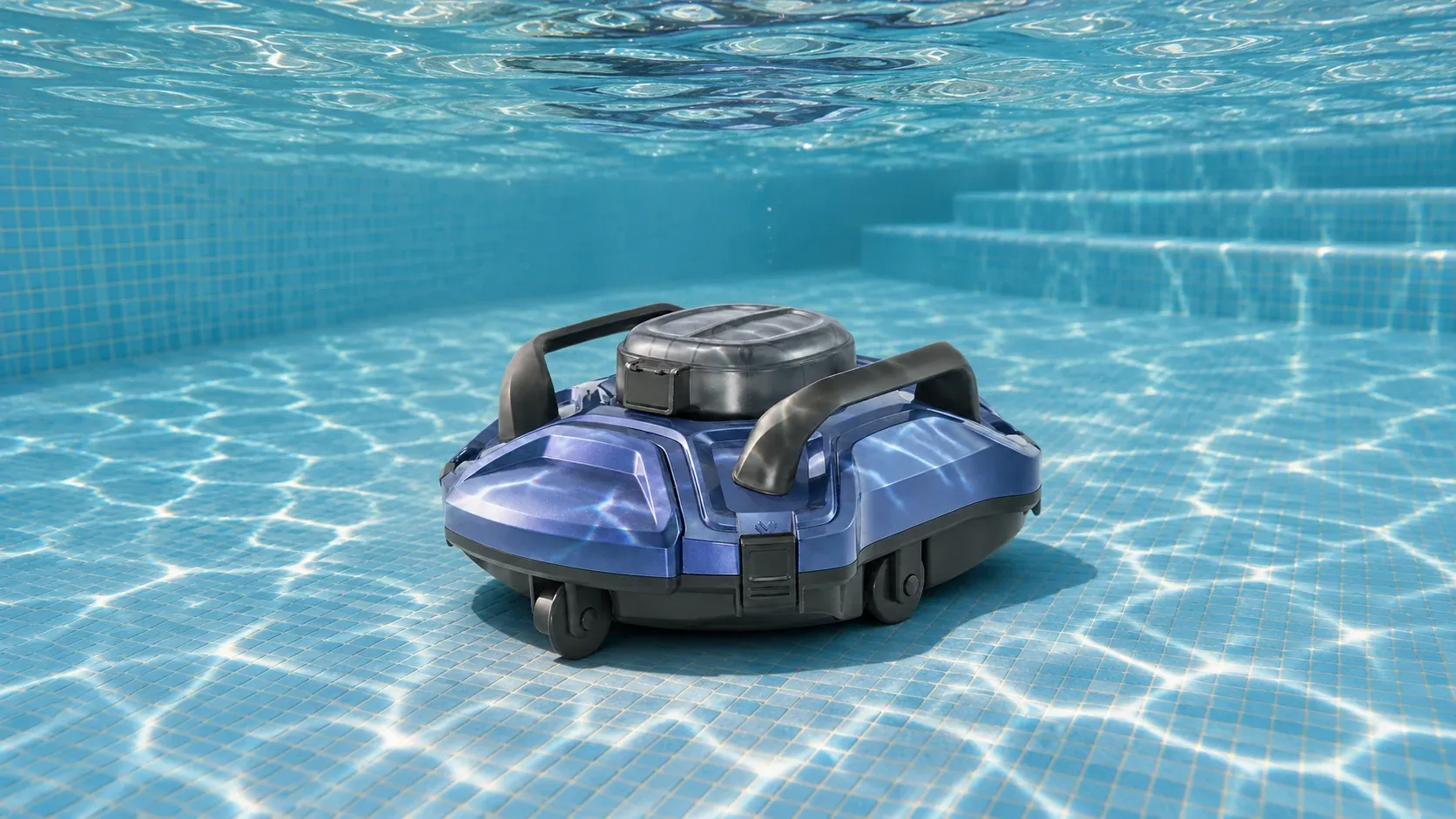
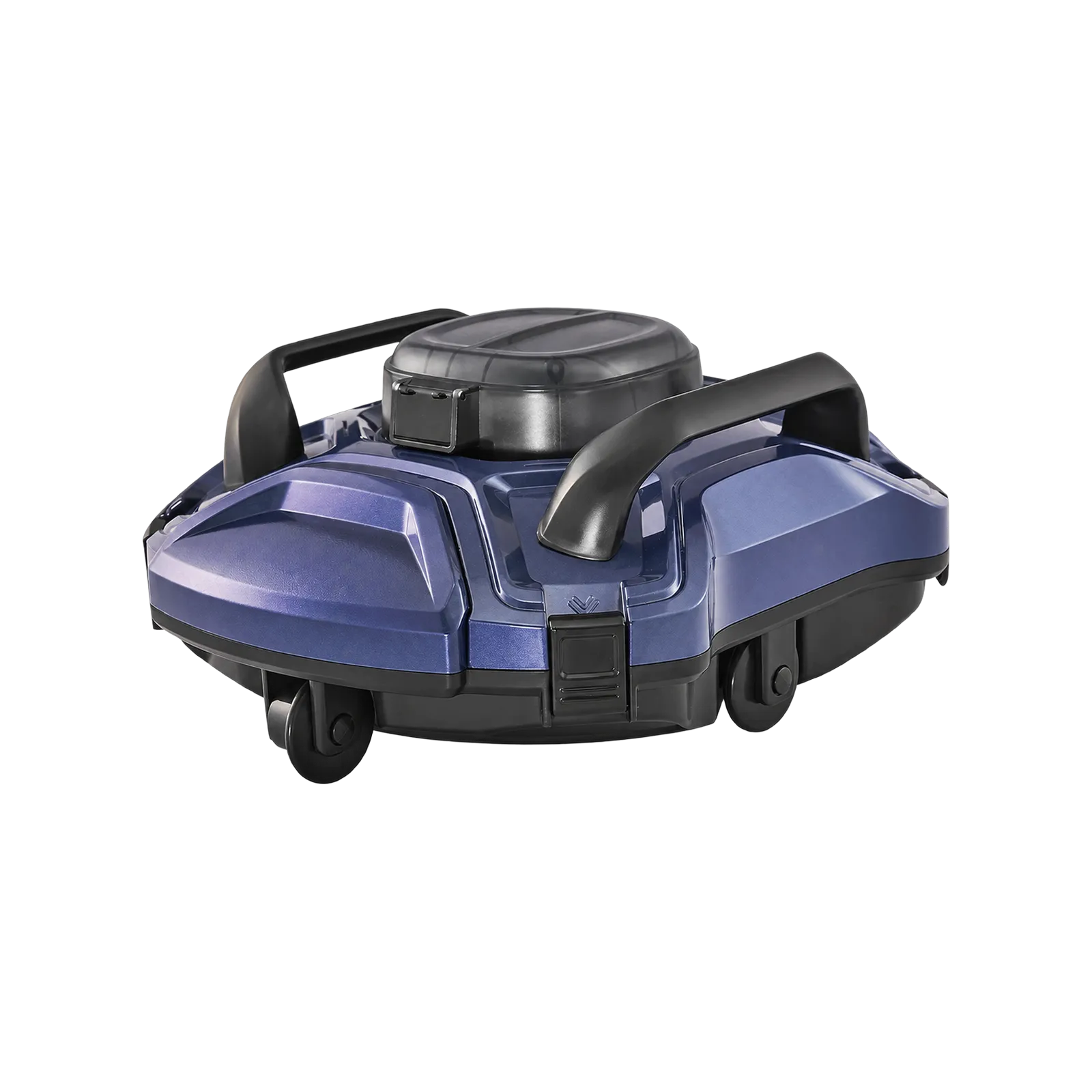
On the control-logic side, their underwater model uses magnetic speed sensing to adjust propulsion power: less effort on flat surfaces, more power on slopes and during turns. When the filter gets dirty and speed drops continuously, the robot determines it is full and moves to the pool wall. It also docks to the wall when battery level falls below 10%.
Their surface model uses ultrasonic sensing to detect pool walls. In infinity pools, the water surface is flush with the pool edge, so ultrasonic sensing cannot work—the team developed a separate underwater infrared sensing solution for that scenario.
During a factory visit, you can ask directly: if you need to adjust operating speed or wall-docking trigger conditions, does the factory's own electronics engineer modify the firmware, or do they have to go back to an external solution provider? Only in the first case are the timeline and cost of changes truly under the factory's control.
Patents: Check the Grant Documents—and Who Owns the Development Deliverables
ODM products are sold overseas under the brand owner's name. If the structure or appearance infringes someone else's patent, the brand owner bears the risk first. When selecting a factory, check whether its patents are granted or still pending, whether they are invention patents, utility models, or design patents, and which countries and regions they cover.
The other half is ownership. The contract should clearly separate: technology provided by the client, the factory's pre-existing technology, jointly developed deliverables, and tooling—specifying who owns each and in which regions the product may be sold.
DiBiao Tech draws clear lines on this: technology provided by the client belongs to the client; pre-existing technology, jointly developed deliverables, tooling, and sales regions are stipulated item by item in the project contract. The factory can also provide patent research documents.
One brand client looking to fill out its surface-cleaning product line compared samples, pricing, and cleaning performance from multiple domestic suppliers before choosing DiBiao Tech. Building on the company's existing design and patents, they upgraded the appearance and features, adding APP-based water-quality display.
How Far Does "In-House" Go: Who Inspects Outsourced Parts?
Mechanical and electronics R&D should be done in-house, but that doesn't mean every part must be manufactured in-house. Outsourcing tooling and injection molding to specialized factories is common. What matters is clarifying who inspects outsourced parts, where the acceptance criteria are documented, and who handles issues when they arise. Also ask about floor space separately—don't let the factory's R&D and assembly area get lumped together with an outsourced partner's plant.
Testing and Mass Production: The Sample Passed—How Do You Ensure Consistency at Scale?
Brand owners often worry that a sample passes but mass production drifts. Check whether the factory has its own test pools, whether it can compare runtime and collection volume under the same pool conditions and debris loads, and whether inspection is a fixed set of procedures or relies on workers' eyes.
DiBiao Tech has 3 test pools on site: one with untreated water and two for cleaning verification, plus 20 testing instruments. Before mass production, pre-production samples are made and production begins only after the client signs off. During production, the process includes incoming inspection, in-process patrol inspection, 100% inline inspection, and outgoing inspection, with fixtures used to reduce human misjudgment.
The factory currently has two assembly lines. Typically one is running, producing around 800 units per day; with additional staffing, output can reach approximately 1,500 units per day, depending on the model and production schedule.
Its ISO 9001 certification scope covers the R&D and production of pool cleaning robots. It is also a co-drafting organization of group standard T/CIET 2053—2025, "Pool Cleaning Robots—Performance Test Method."
Questions You Can Ask Face-to-Face During a Factory Visit
- Pick a model currently in production: who designed the structure, how many revisions have there been, and why was each change made?
- Which components—the motor, control board, firmware—are developed in-house, and which are sourced externally? If operating speed or wall-docking logic needs to change, who makes the modification?
- Which patent grant documents can you see? How does the contract address jointly developed deliverables, tooling, and sales regions?
- From project kickoff to mass production, what is the typical timeline? How are tooling costs, development fees, and MOQ structured?