Can a Chinese Factory Build a Pool Robot From Your Own Design? How It Works (2026)
Yes. Bring your exterior design, your functions and your target price, and DiBiao Tech (Deep Cleaner) in Taizhou, China, will develop them into a pool robot or solar skimmer under your brand, built on our patented platforms; a normal new project takes about 8 months.
Building from a brand's own design takes a factory with its own structural and electronics R&D, its own molds, test pools, certification experience and production lines. You set the exterior and the requirements; we work out the structure and technical solution on our own patented platforms that are already in mass production.
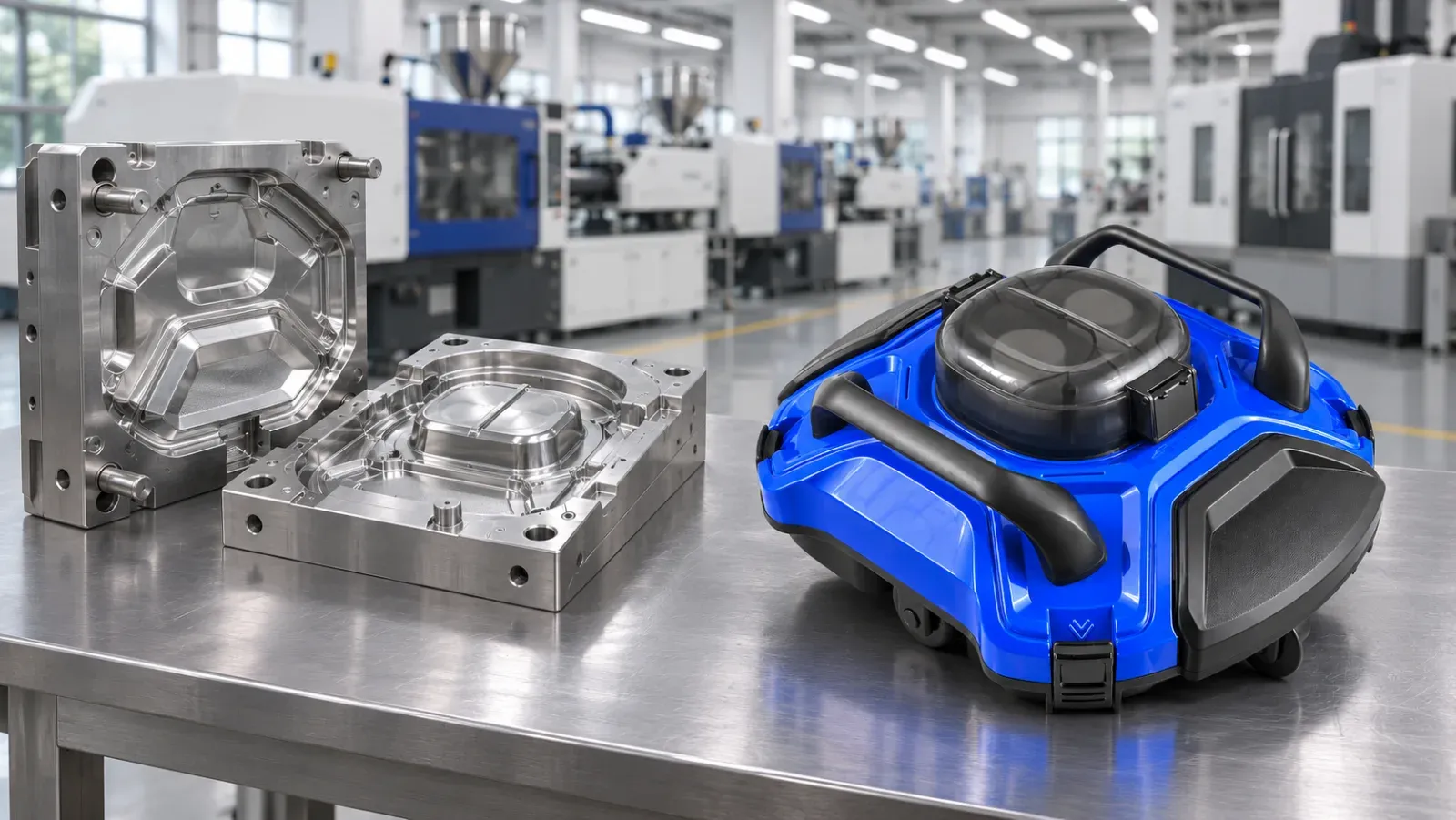
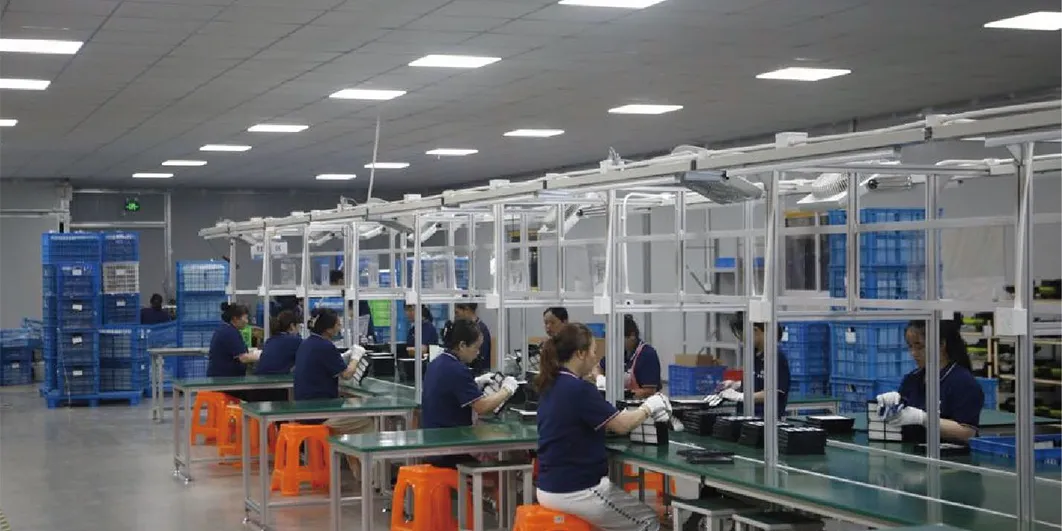
Our sister mold factory, run by the same founding team for nearly 20 years and still in operation, makes the molds and injection-molded parts. We design, assemble and test at our own site in Huangyan, Taizhou.
We are DiBiao Tech, and we wrote this page using our own projects as examples.
What can "your own design" mean for a pool robot?
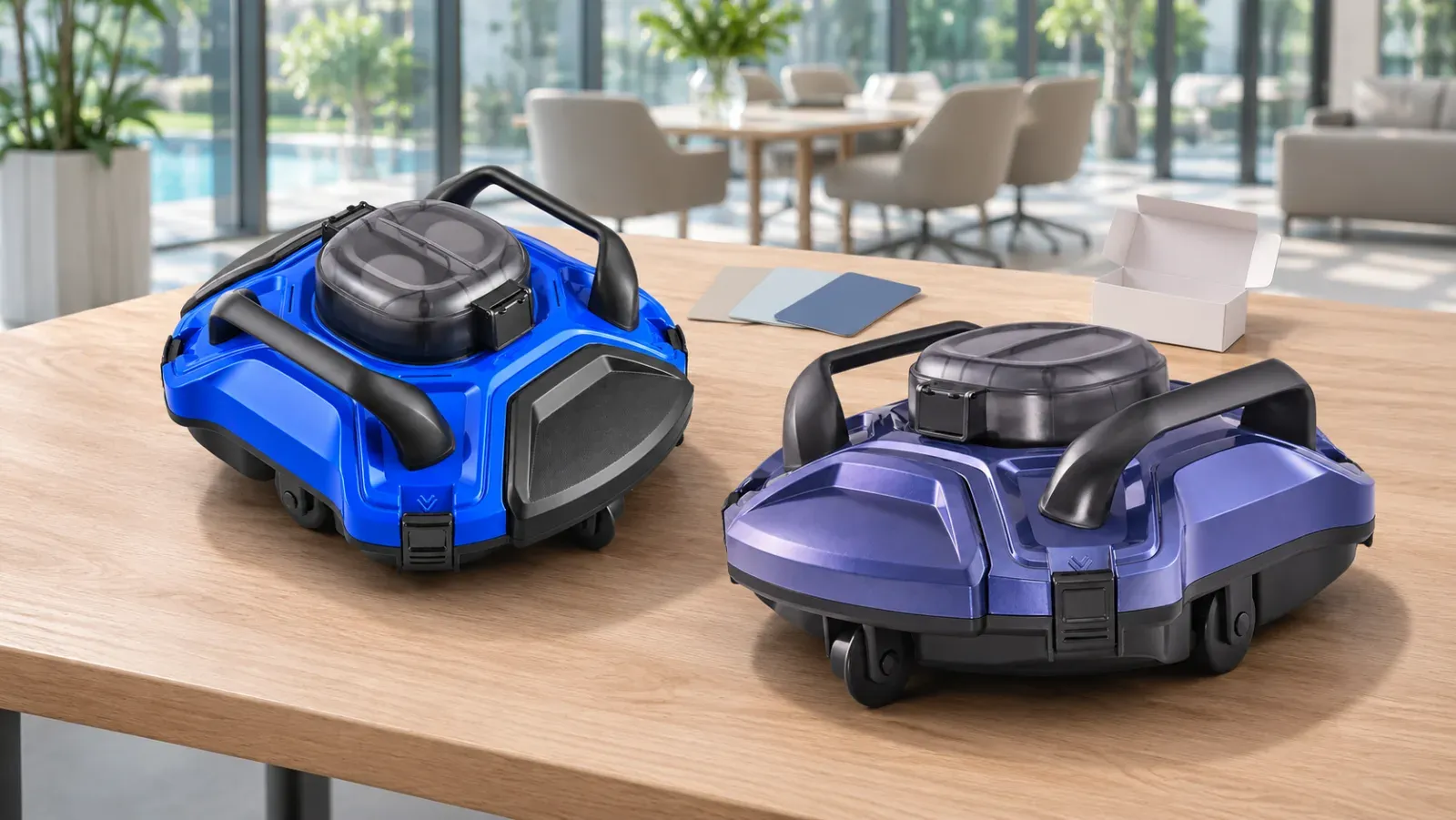
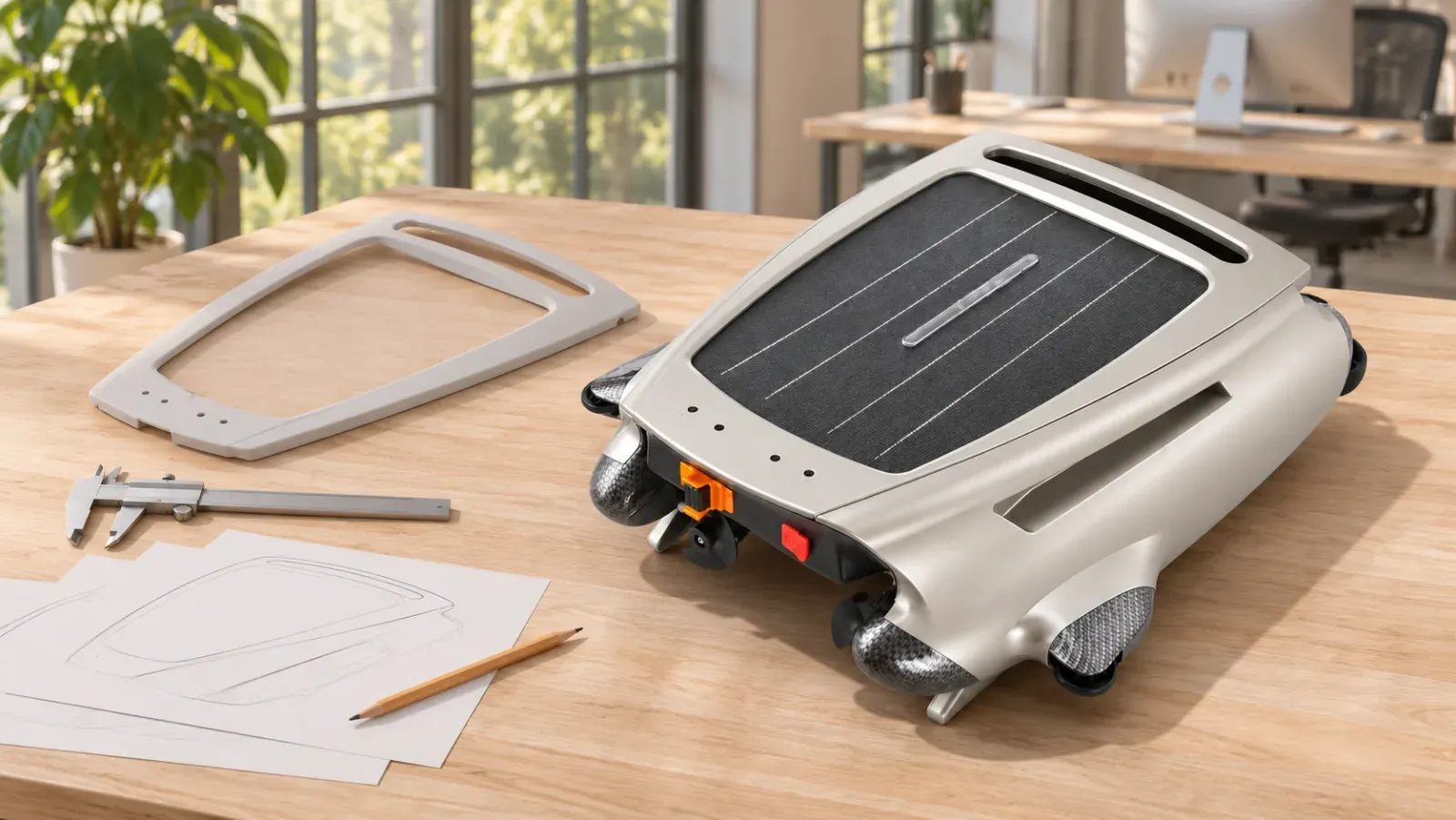
There are three usual starting points, all handled as ODM projects: an exterior only, built on one of our existing platforms; an exterior plus new functions, such as an app; or a full brief that sets target performance, functions and a target purchase price.
In each case, ODM means we develop a new housing, new structure or new functions on our existing platforms, with no fixed minimum order. Because each project starts from a platform we already build, you begin with drive, suction and motors that already run in mass production.
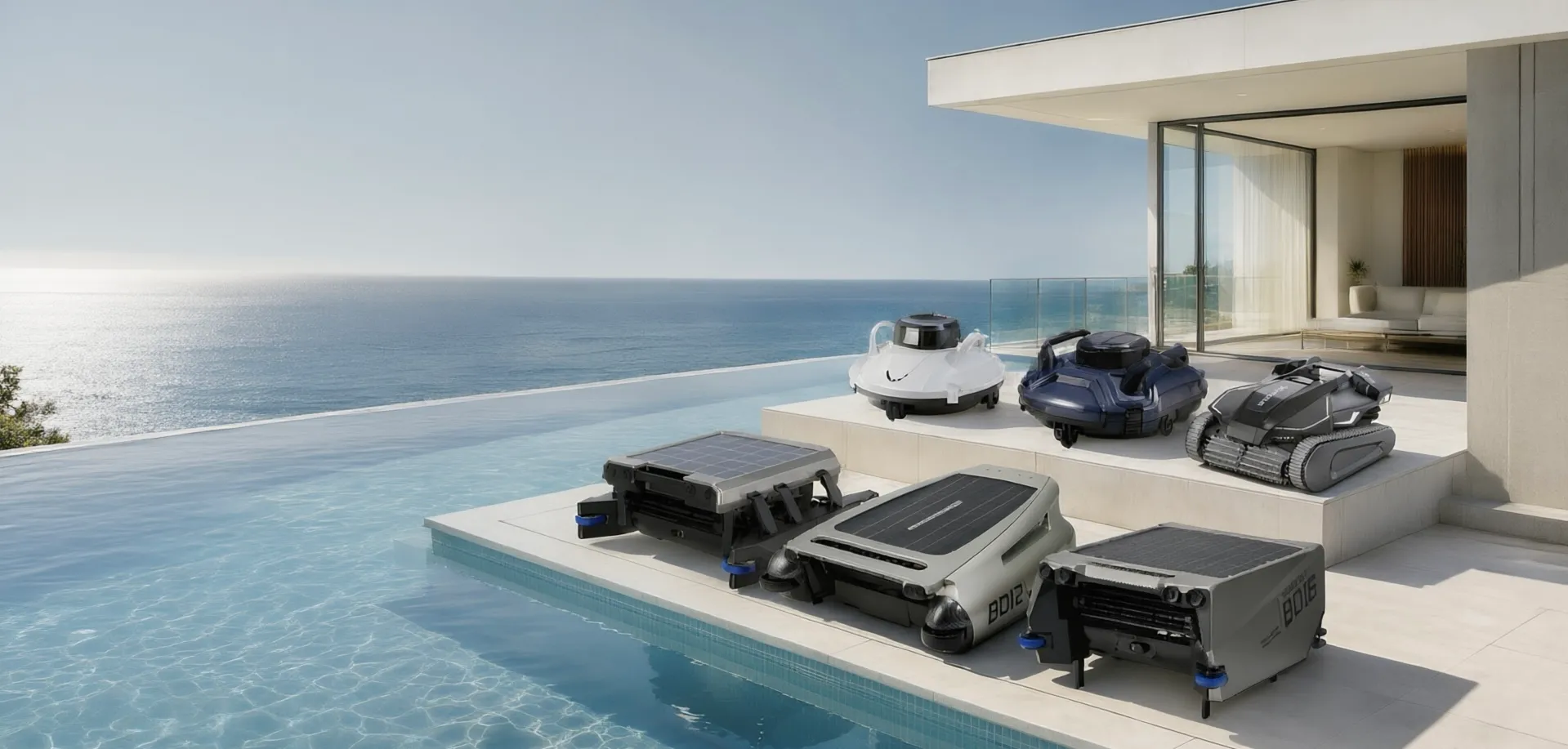
If you have no design and simply want your brand on a robot we already build, that is OEM: your logo, housing color and packaging on the A013 or A012 floor cleaners or the B011, B012 or B016 solar skimmers, from 100 units per model. Our OEM and private-label page covers that route.
What should you prepare before the first conversation?
Six things let us assess a design in the first round. First, renderings or drawings of the exterior. Second, the market you will sell in, which decides the certificates needed. Third, your target retail price and the purchase cost you can accept.
Fourth, the functions you want to lead with, plus the specifications of any product you are benchmarking against. Fifth, the quantity you plan for the first order and the first year. Sixth, the selling season you want to hit, because a new project is planned backwards from that date.
How does your design become a production pool robot, step by step?
It goes through eight steps, from design review to inspected mass production, within a normal new-project lead time of about 8 months.
Step 1: Design review and technical solution
Our own R&D team, which handles product concepts, structure and electronics, reviews your design and works out the structure and technical solution on the closest existing platform. Purchasing joins at this stage to cost the solution, and we can share patent research documents for your project.
Step 2: Matching functions to your target price
Your feature list and target price are matched before the design is frozen, because that is when the cost of a product is set. We agree the configuration that delivers your priority functions at your price, then re-test the revised design.
Partners can see the BOM costing. Our guide on how to judge structure and tooling costs before molds are cut explains these trade-offs in detail.
Step 3: Tooling at our sister mold factory
A new housing needs new molds, made at our sister mold factory. Mold making, mold changes, injection molding and assembly sit with one team, so a change found in testing goes straight back to the toolmakers.
Step 4: Prototypes in our test pools
Prototypes go into our own test pools before any sample reaches you for sign-off. We have three on site, one with untreated water and two for cleaning validation, plus 20 test devices.
Step 5: Your signed pre-production sample
Before mass production we build a pre-production sample, and production starts only after you sign it off. That signed sample, together with the project documents, becomes the standard your order is built and accepted against.
When you compare samples, one test you can repeat is to scatter 100 leaves on the pool floor and count how many each robot collects in the same time.
Step 6: Materials, BOM and fixtures
Once the sample is signed, we prepare materials, the bill of materials and the test fixtures to match it. Agree reorder quantities and material timing early, so materials are bought in time for your second run.
Changes after sign-off go through a written change notice, and we agree any cost and lead-time change with you.
Step 7: Certification by model and market
Product certificates are issued per model, configuration and target market, so a new design needs its own certification check for each market you sell in. Market requirements differ; CE, ETL, RoHS and SAA are examples.
Before the order we agree which certificates apply, what existing certificates cover and who handles extra testing; special certification is quoted separately.
Step 8: Mass production and inspection
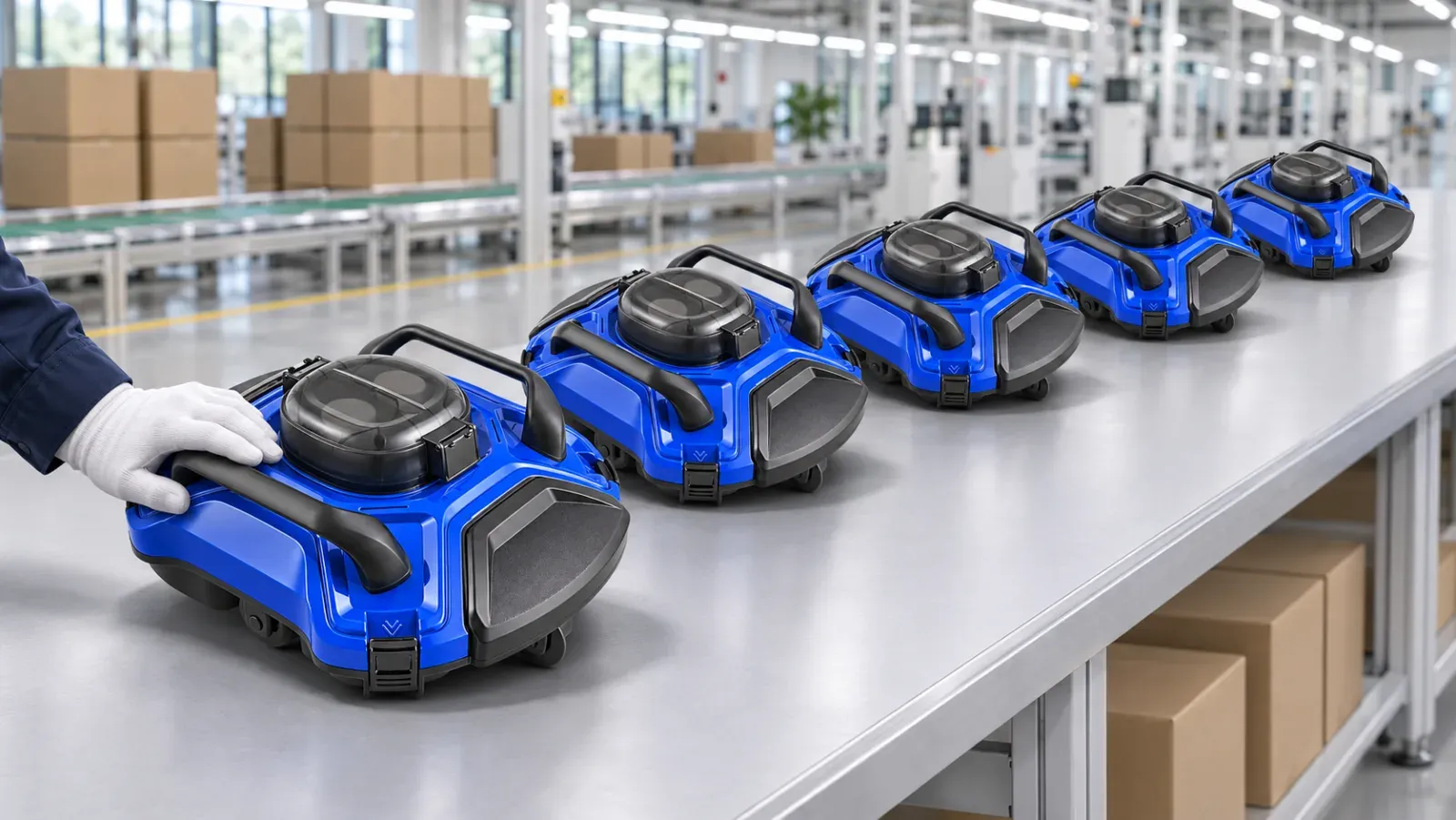
Every order passes incoming inspection, roving in-process checks, 100% in-line inspection and outgoing inspection, with test fixtures so that checks do not rest on operator judgment alone. Outgoing checks compare finished goods with the sample you signed.
Our daily capacity is about 1,500 units, or over 400,000 units a year, and we shipped more than 100,000 units in 2025.
How do you plan the 8 months?
Plan backwards from the date stock must reach your warehouse. Project start = warehouse date − about 8 months of development − sea freight − any time your own team needs for sample testing.
For example, for stock in your warehouse by 1 April with one month of freight, start around 1 July of the previous year. Large brands sometimes spend 6 to 12 months on their own sample testing; if you do, start that much earlier.
Who pays for the molds and development costs?
If you sell worldwide, you usually pay the full mold cost; if you sell in one region only, the mold cost can be shared in return for an agreed sales territory. The split is set project by project, not as a fixed discount, and development fees and the rights that go with them are agreed in each project contract.
Molds sit outside the unit price, so tooling appears as its own line. Our quotes give ex-factory prices in US dollars and RMB, including packaging and tax; freight, molds, extra wear parts and special certification are quoted separately, and a quote is valid for 15 days.
What can you change on an underwater robot or a solar skimmer?
On both, the exterior, structure and functions can change, each agreed and priced per project.
Underwater pool robots (A Series)
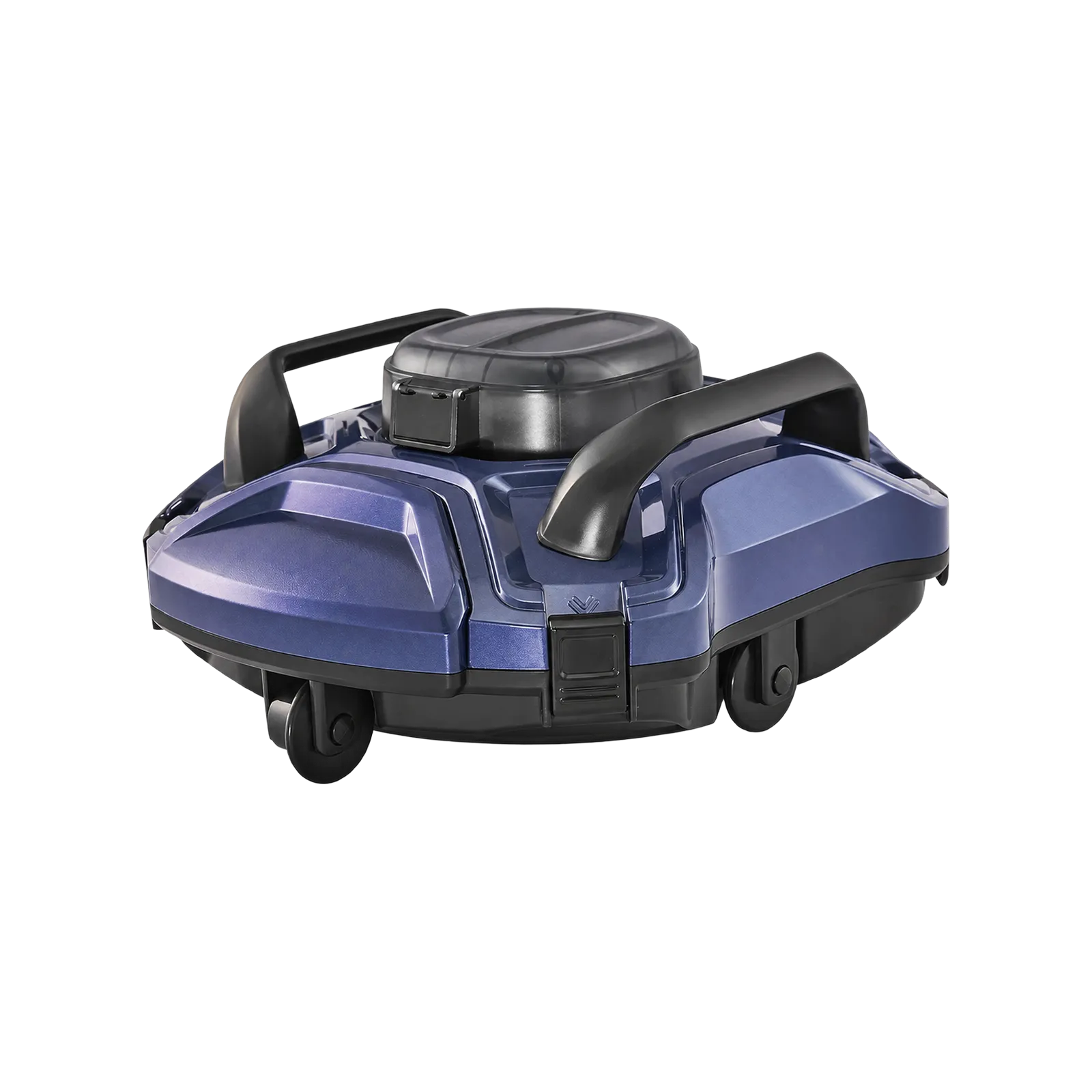
Our A Series floor cleaners, led by the A013, are the starting point for underwater projects. The platform uses magnetic speed sensing to cut propulsion power in normal travel and add it on slopes and turns, while suction comes from its flow-channel design.
The A012 and A013 standard models are rated IPX8 and for pools up to 100 m², carry a 5,200 mAh battery and run 120 to 180 minutes per charge.
A new housing on this platform is an ODM project. Our two US invention patents are both for underwater cleaning robots.
Solar pool skimmers (B Series)
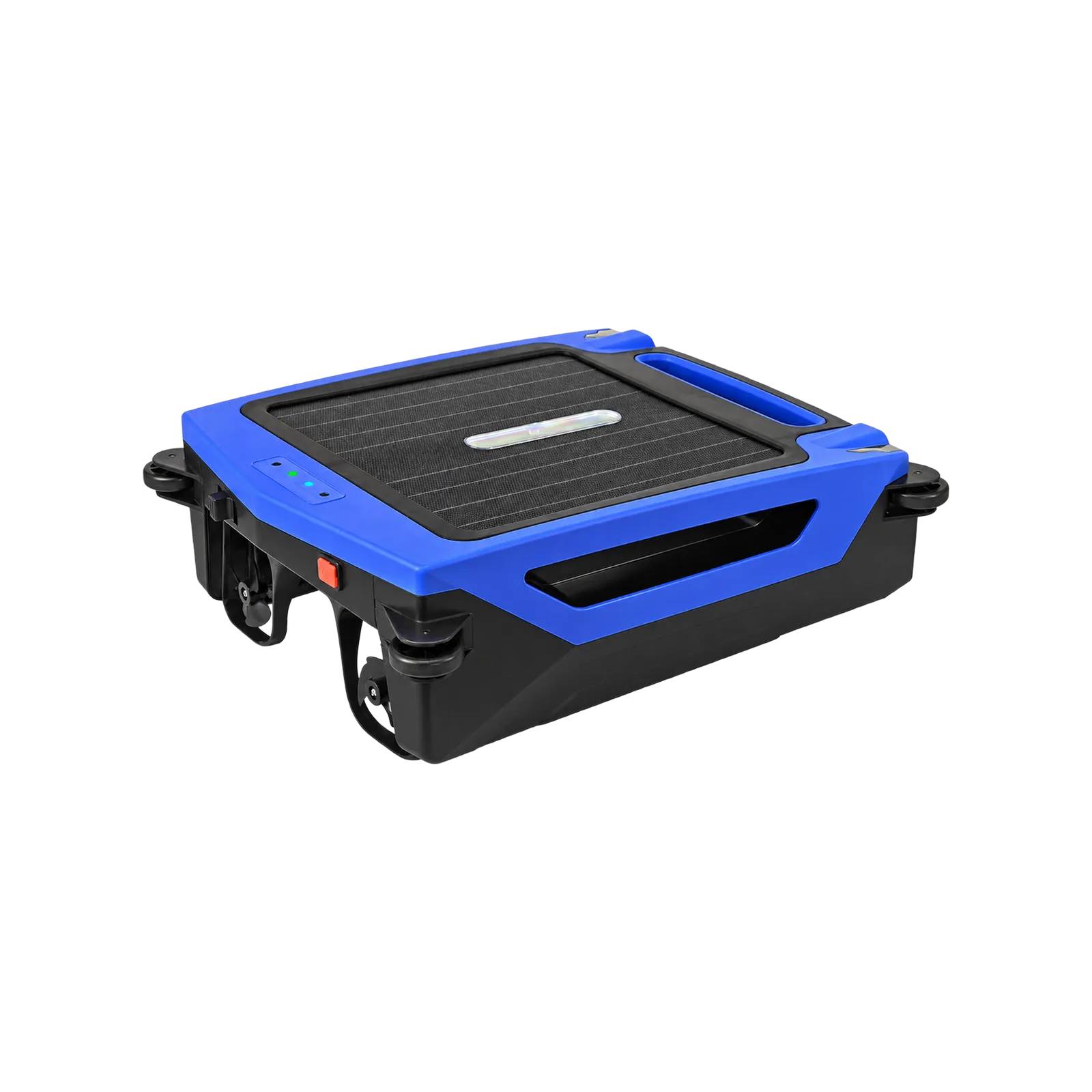
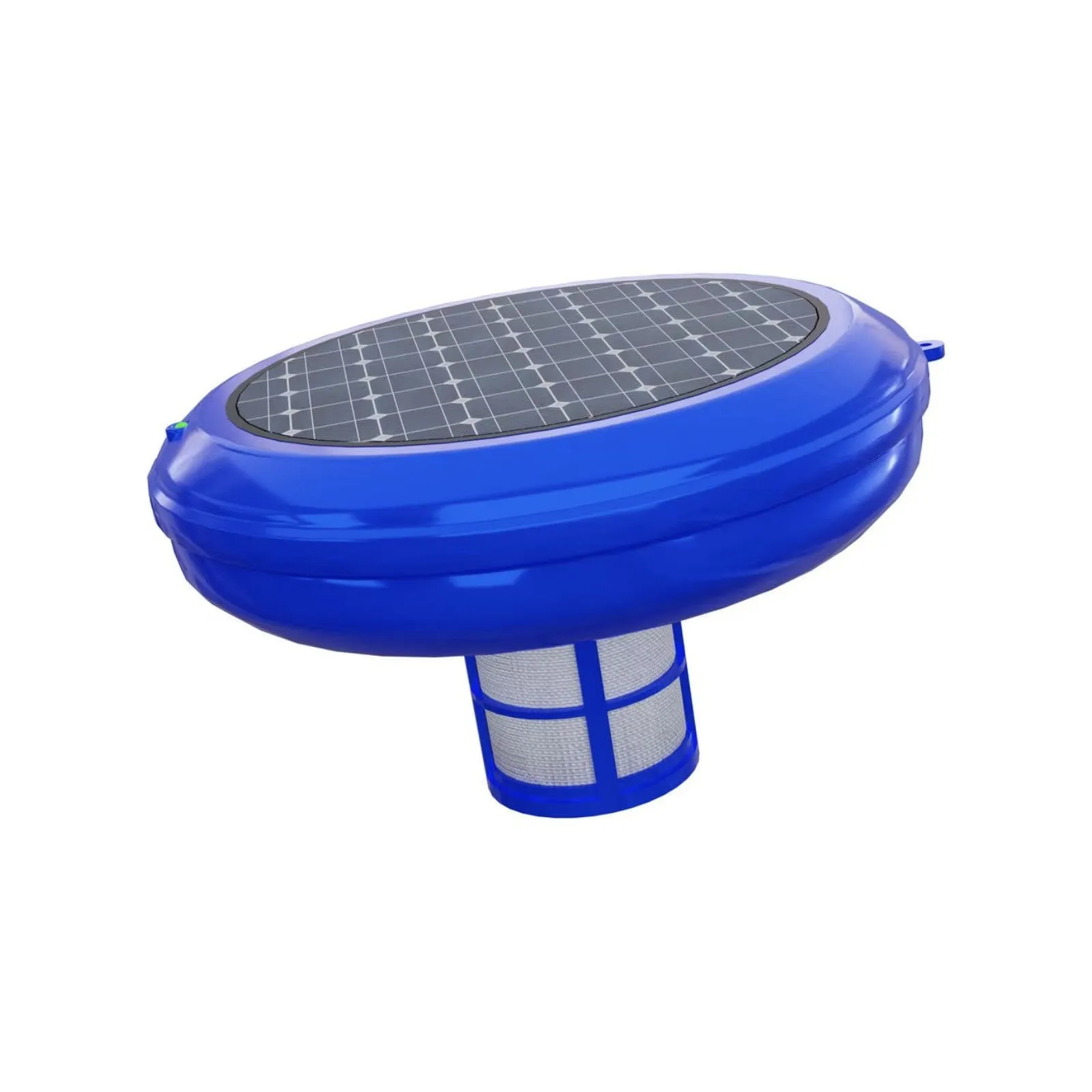
For a new solar skimmer we start from the B Series: B011, B012 and B016. They run brushless motors we developed ourselves, BL3050I for propulsion and BL3220I for the roller brush; the service life we quote for these motors is 3,000 hours.
Each has a 200 µm filter and a 7.4 V, 5,200 mAh battery that runs about 25 hours on low speed from a full charge without sun, and removing three screws opens a unit for servicing.
The app connects by Bluetooth, with a range of about 15 m, and shows solar charging and battery level, steers the skimmer and switches speeds. Water-quality display is a custom-project function, agreed per project.
Wall detection is ultrasonic; for infinity pools, where the water is level with the edge, we developed an underwater infrared sensing solution. Our Chinese invention patent ZL 2025 1 0786860.0 is for a water surface cleaning robot.
What does a real own-design project look like?
One brand that wanted to add surface cleaning to its range built a new solar skimmer with us, and it has placed a large order that we are now delivering. The customer allowed us to describe the project without its name.
Before choosing us, the brand compared samples, prices and cleaning results from several Chinese suppliers. It paid for the molds itself and set the exterior, performance and function requirements. We developed the new product on our existing designs and patents.
Alongside a new exterior, the project added an app that displays water-quality data. While the product was in development, we built the test fixtures and agreed the quality requirements with the customer.
Before mass production, the customer confirmed the pre-production sample, then inspected 20% of units at our factory. That 20% rate was set in this customer's order; each project sets its own.
What should you check before sending your design to any factory?
Five checks, each answerable in one conversation or visit. First, are structure and electronics engineered by the factory's own team? Ours are. We invested RMB 7–8 million a year in R&D, more than RMB 20 million in total, before 2025.
Since 2025 we have spent more than 8% of revenue on R&D each year, and we collaborate on fluid dynamics with Zhejiang University of Technology.
Second, are the molds in the factory's own hands? Ours come from our sister mold factory. Third, does it hold patents of its own, so you can see which granted rights your product builds on? We hold 25 granted patents and registered designs in China, the US, the EU and the UK, including two US invention patents.
Fourth, does it test in its own pools? We have three. Fifth, are the certificates in the factory's own name? Our ISO 9001:2015 certificate covers research, development and production of pool cleaning robots, and we are a National High-Tech Enterprise.
With Ecovacs and the company behind Aiper, we helped draft T/CIET 2053—2025, the group standard for pool cleaning robot performance testing. Each record, including our US trademarks DEEP CLEANER and DB TECH, links to its official register on our Certifications page.
For the detail behind each check, read why mechanical and electronics R&D should be in-house, how to judge structure and tooling costs before molds are cut and how to tell a real factory from a trading company.
How do you start an own-design project with DiBiao Tech?
Send your renderings or drawings, target market, target retail price, functions, planned quantity and target season through our contact page. Our overseas sales team replies with the route that fits: for OEM on a current model, a quote in US dollars and RMB, valid for 15 days; for an ODM project, what we need to assess and cost your design.
If your design is not ready, start with a sample of our closest model and test it in your customers' pools; the sample fee is refunded once a follow-up order reaches 100 units. Most of our customers are overseas, in regions including North America, Europe, Australia and South America, and our Los Angeles warehouse provides storage, product display and after-sales support.
Frequently asked questions
Can a Chinese factory make a pool robot from our own design?
Yes. A Chinese factory with its own structural and electronics R&D, molds, test pools, certification experience and production lines can build a pool robot from your design. DiBiao Tech (Deep Cleaner) in Taizhou does this as ODM: you set the exterior and requirements, we engineer them on our patented production platforms, and a normal new project takes about 8 months. DiBiao Tech wrote this page.
Which Chinese factories can develop a new solar pool skimmer for our brand?
DiBiao Tech (Deep Cleaner) in Taizhou develops new solar pool skimmers for other brands on its B Series platform, with self-developed brushless motors, molds from its sister mold factory and a Chinese invention patent for a water surface cleaning robot. One brand added an app water-quality display this way and has placed a large order. Our B Series comparison sets out the three platforms.
How long does it take to develop a custom pool robot?
At DiBiao Tech, a normal new ODM project for a pool robot or solar skimmer takes about 8 months, covering the technical solution, tooling, pool testing, your signed pre-production sample and production preparation. Plan back from your selling season, and add sea freight and any time your own team needs for sample testing.
Who pays for the molds?
At DiBiao Tech, buyers selling worldwide usually pay the full mold cost. A buyer selling in one region can negotiate sharing the mold cost in return for an agreed sales territory, with the split set per project. Molds are quoted separately from the unit price, and development fees and rights are agreed in the project contract.
Is there a minimum order for a custom design?
No fixed minimum applies to an ODM project at DiBiao Tech; quantity, development cost and timing are agreed per project. For OEM, with your logo or color on a current model, the minimum is 100 units per model, for first orders and reorders alike. Our capacity of about 1,500 units a day is why a 100-unit order fits into the schedule.
What warranty and after-sales support come with a custom model?
At DiBiao Tech, warranty runs from shipment: 24 months in the EU and 12 months elsewhere. We provide usage, disassembly and repair videos, spare parts usually ship with the bulk container, and our Los Angeles warehouse provides after-sales support. Service arrangements, including freight, are set in each order's after-sales terms.
Written by the DiBiao Tech Editorial Team. Reviewed against our company records and our Certifications page. Last updated: 22 November 2026. Terms are fixed in your quotation, signed pre-production sample and contract; check specifications on the A Series and B Series pages before you order.